Food Science Institute
The Food Science Institute facilitates collaborative innovations across K-State’s expertise to ensure safe, nutritious, and sustainable foods; fosters development of outstanding scientists and leaders in the food industry; and provides research-based resources to entrepreneurs, industry, government, and consumers.
Become a Leader in Food Science!
 A food science undergraduate and graduate degree will prepare you for a variety of careers in food science. Our comprehensive educational experience crosses all areas of the Kansas State University Land Grant mission of teaching, research and extension.
What education path will you take? Select from the three options below to start your journey!
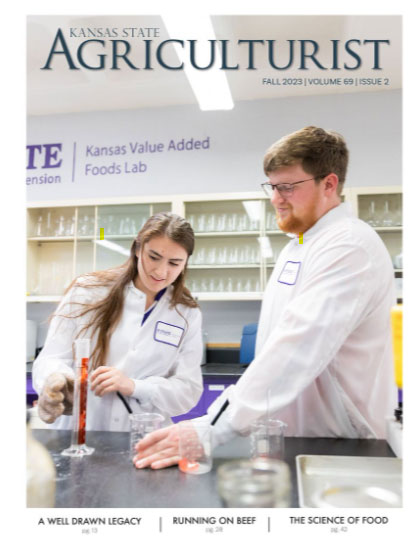
Learn more about food science in the K-State Agriculturist, Fall 2023 edition, which features two of our recent graduates.
Summer Research Fellows
 Each summer, the K-State College of Agriculture's Office of Student and Staff Success hosts the Kansas State Research and Extension (KSRE) Summer Research Fellows program. This program provides 8-week research fellowships designed for undergraduate students from land-grant colleges and universities. The program seeks to prepare students, including those from underrepresented groups, for the dynamic and demanding work of graduate school in agriculture-related fields of study. The Department of Animal Sciences & Industry (ASI) and the Food Science program hosted multiple students this year.
Come visit us!
Our faculty are available for virtual or in-person visits
Take a Virtual Tour!
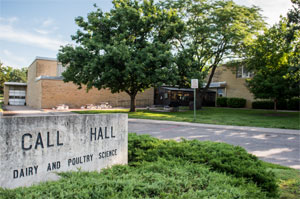
The Food Science Institute's main office is located in Call Hall on K-State's Manhattan campus.